Artificial Intelligence × Biotechnology

Julieta GuillerminaGarcía Pereyra

Exploring how artificial intelligence can reveal the genomic patterns that shape biological systems.

Julieta Guillermina García Pereyra

FEATURED RESEARCH

The same virus can behave in completely different ways.

Sometimes it remains silent.

Sometimes it becomes active.

Understanding why remains one of the greatest challenges in HIV research.

When HIV remains hidden in infected cells, it forms a persistent viral reservoir.

This reservoir is the main reason HIV cannot yet be completely eradicated.

We still do not fully understand what determines its behavior.

Where it lands may change everything.

A provirus does not exist in isolation. Its genomic neighbourhood may shape how it behaves—and may hold part of the answer to why the same virus can follow such different paths.

We can observe the pattern. We still cannot predict it.

Experimental studies reveal that location matters. But we cannot yet reliably infer how a provirus will behave from the context around it.

Artificial intelligence offers a new way to study biological context.

Not as a final answer, but as a way to examine many biological signals together and ask more precise questions about what they may mean.

Ongoing Undergraduate Thesis

AlphaHIVGenomePredicting HIV Gene Expression from its Genomic Integration Context

An artificial intelligence framework for predicting HIV gene expression from its genomic integration site, informed by signals from the surrounding genomic context.

Research Objectives

  • In silico prediction of viral gene expression from genomic integration sites.
  • Identification of influential genomic-context features shaping model predictions.
  • Generation of biologically meaningful hypotheses about HIV latency and reactivation.
  • An integrated dry-lab ↔ wet-lab validation cycle to experimentally assess predictions and continually improve the models.

Current undergraduate thesis work within the B.Eng. in Artificial Intelligence Engineering at Universidad de San Andrés.

ABOUT

Driven by questions at the intersection of AI and biology.

I am a fifth-year Artificial Intelligence Engineering student at Universidad de San Andrés, part of the programme's first graduating class, with a focus on biotechnology.

What draws me to artificial intelligence is not automation itself, but its potential as a scientific instrument. Computational models can reveal patterns that are difficult to observe through traditional experimental approaches, helping researchers ask better questions about living systems. I am particularly interested in the questions that emerge at the intersection of artificial intelligence, biology, and medicine, where ideas from different disciplines can inform one another in ways that would be difficult within a single field.

I am fascinated by the idea that computation can help decode biology—not by replacing experiments, but by revealing patterns, generating hypotheses, and guiding scientific discovery.

ACADEMIC & COMMUNITY ACTIVITIES

Club BIAA (Biomedicine & Applied AI)

Co-founder & Board Member

Universidad de San Andrés

March 2025 – Present

AI & BiomedicineLeadershipCommunity BuildingScientific CommunicationProgram Coordination

Co-founded one of Argentina's first student-led initiatives connecting the artificial intelligence and biotechnology communities. As a board member, I help define the club's strategy, organize talks, workshops, and hackathons, build collaborations with researchers and industry professionals, manage institutional communications with the university, and lead branding, content creation, and community outreach to foster interdisciplinary learning in AI-driven biomedicine.

Visit Club BIAA
Teaching Assistant — Databases

Universidad de San Andrés

March 2025 – December 2025

Database SystemsData ModelingSQLQuery Processing & OptimizationNoSQL

Mentored undergraduate engineering students throughout the development of the course's main database project, providing technical guidance and individualized feedback. Assisted instructors during lectures, clarified conceptual and practical questions during classes, office hours, and online discussion channels, and helped reinforce key database concepts throughout the semester.

SELECTED PROJECTS

Artificial Intelligence

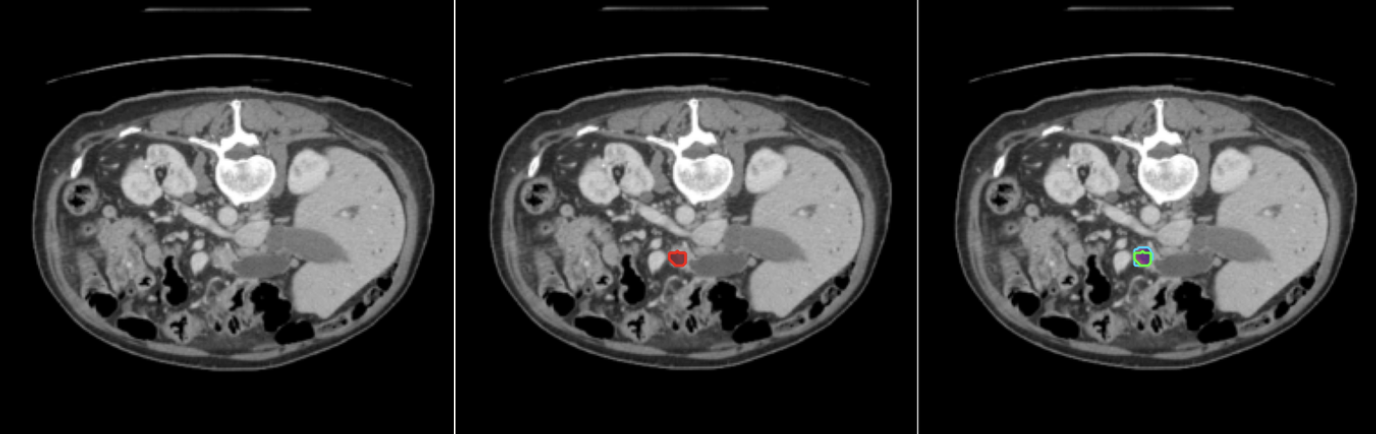
Pancreatic CT anomaly detection figure showing original scan, ground truth, and anomaly map

Rectified Flows for Pancreatic CT Anomaly Detection

Adapted the REFLECT framework for unsupervised anomaly detection in pancreatic CT scans, introducing ROI-guided modifications to improve localization of pancreatic abnormalities through latent-space rectified flows.

Rectified FlowsMedical ImagingComputer VisionPyTorchUnsupervised LearningMedical AI
View Repository
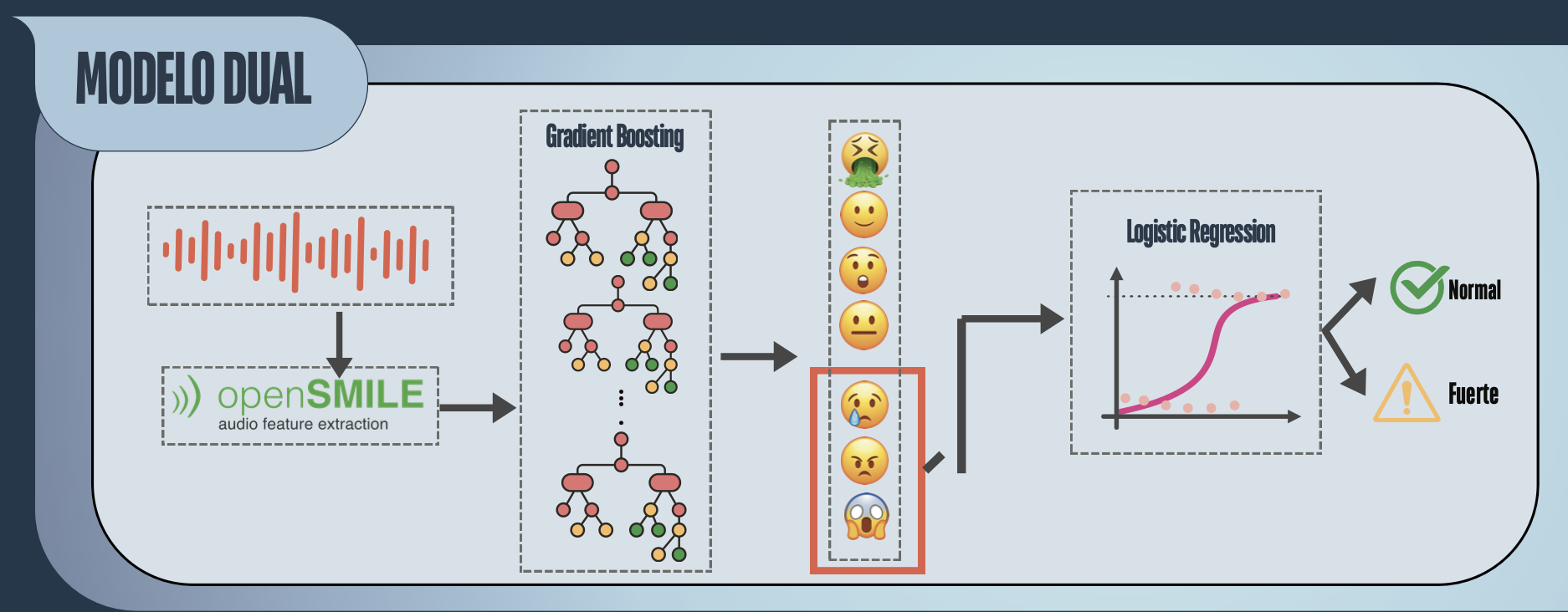
Dual-stage speech emotion recognition pipeline from WAV audio to eGeMAPS features, emotion classification, and intensity prediction

Dual-Stage Speech Emotion Recognition

Developed a dual-stage machine learning pipeline for speech emotion recognition, combining emotion classification with intensity prediction to identify potentially critical emotional states from speech.

Speech ProcessingMachine LearningGradient BoostingLogistic RegressionopenSMILERAVDESS
View Repository
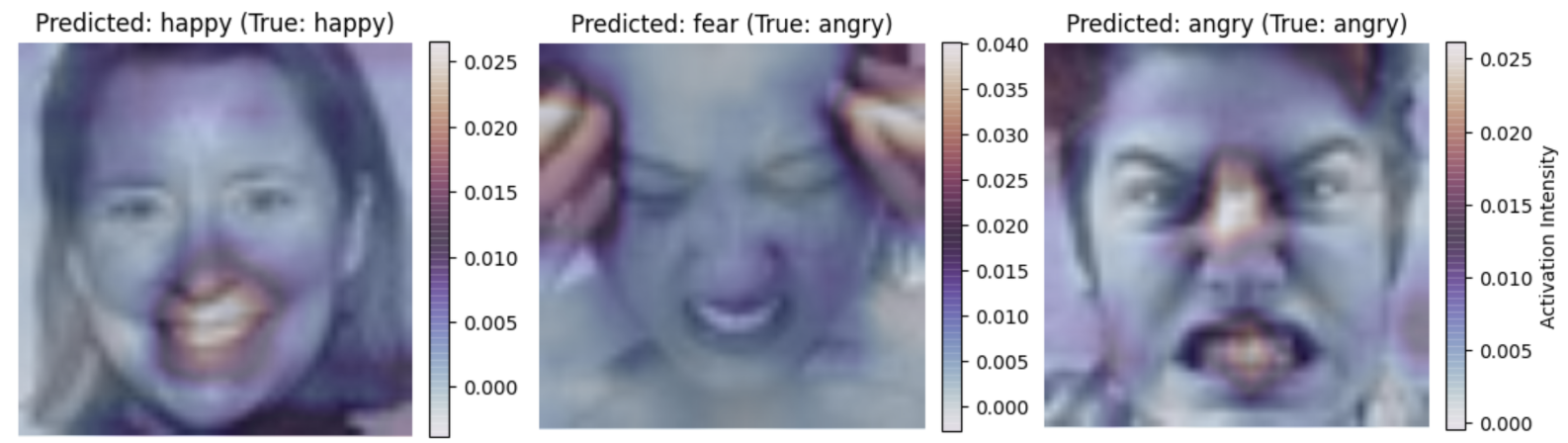
Average Grad-CAM activation maps for multiple facial emotion classes

Interpretable Facial Emotion Recognition

Evaluated transfer learning approaches for facial emotion recognition and used Grad-CAM to identify the facial regions driving predictions across seven emotion classes.

Facial Emotion RecognitionTransfer LearningGrad-CAMVGG16PyTorchFER-2013
View Repository
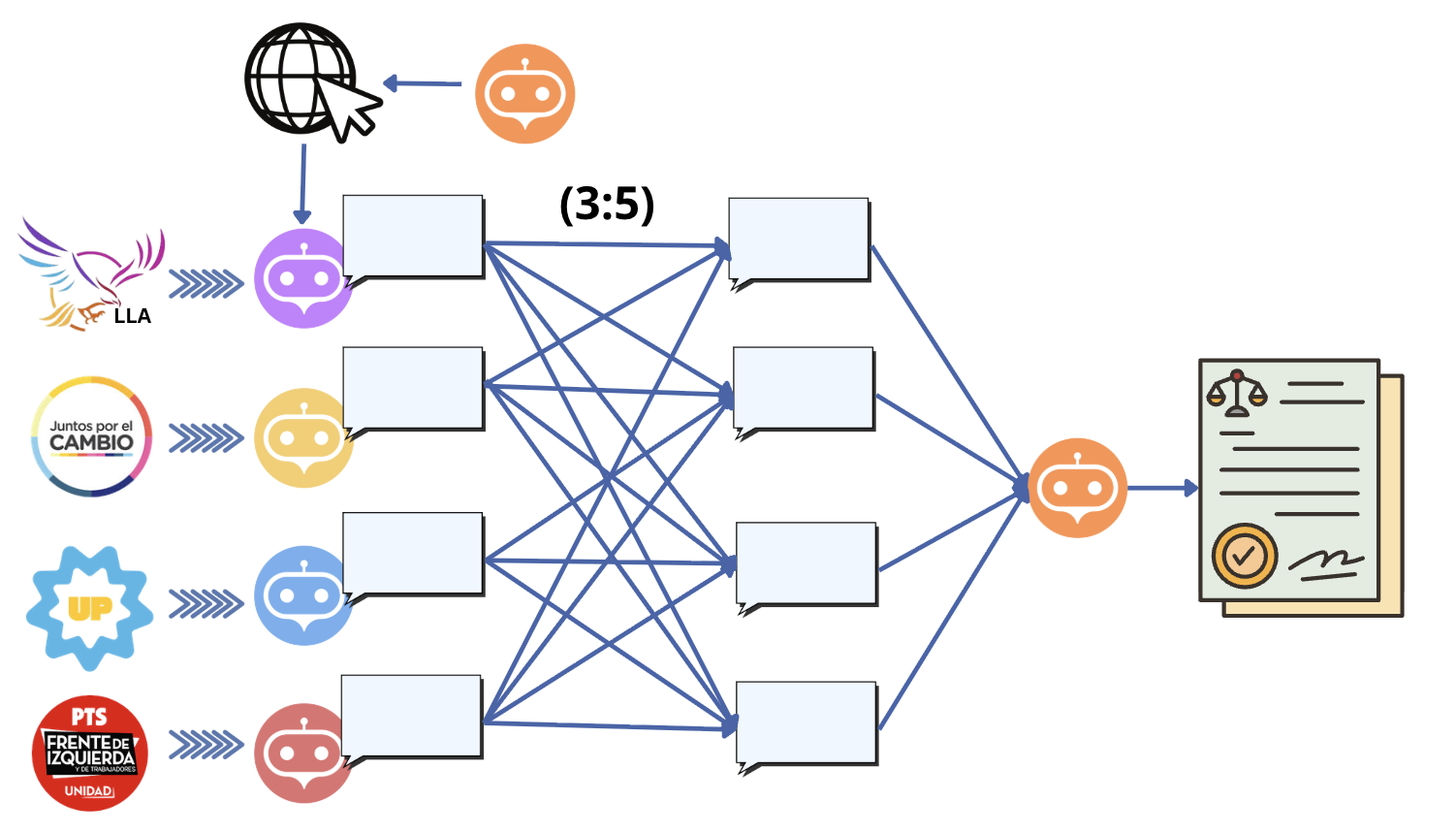
Multi-agent political debate methodology diagram from political agents through debate and review to a report

Multi-Agent Political Debate Simulation

Developed a multi-agent framework for simulating parliamentary debates among LLM-powered political parties, evaluating reasoning, ideological consistency, and decision-making across real Argentine legislation.

Multi-Agent SystemsLarge Language ModelsPrompt EngineeringGPT-4o-miniAgent SimulationPolitical AI
View Repository
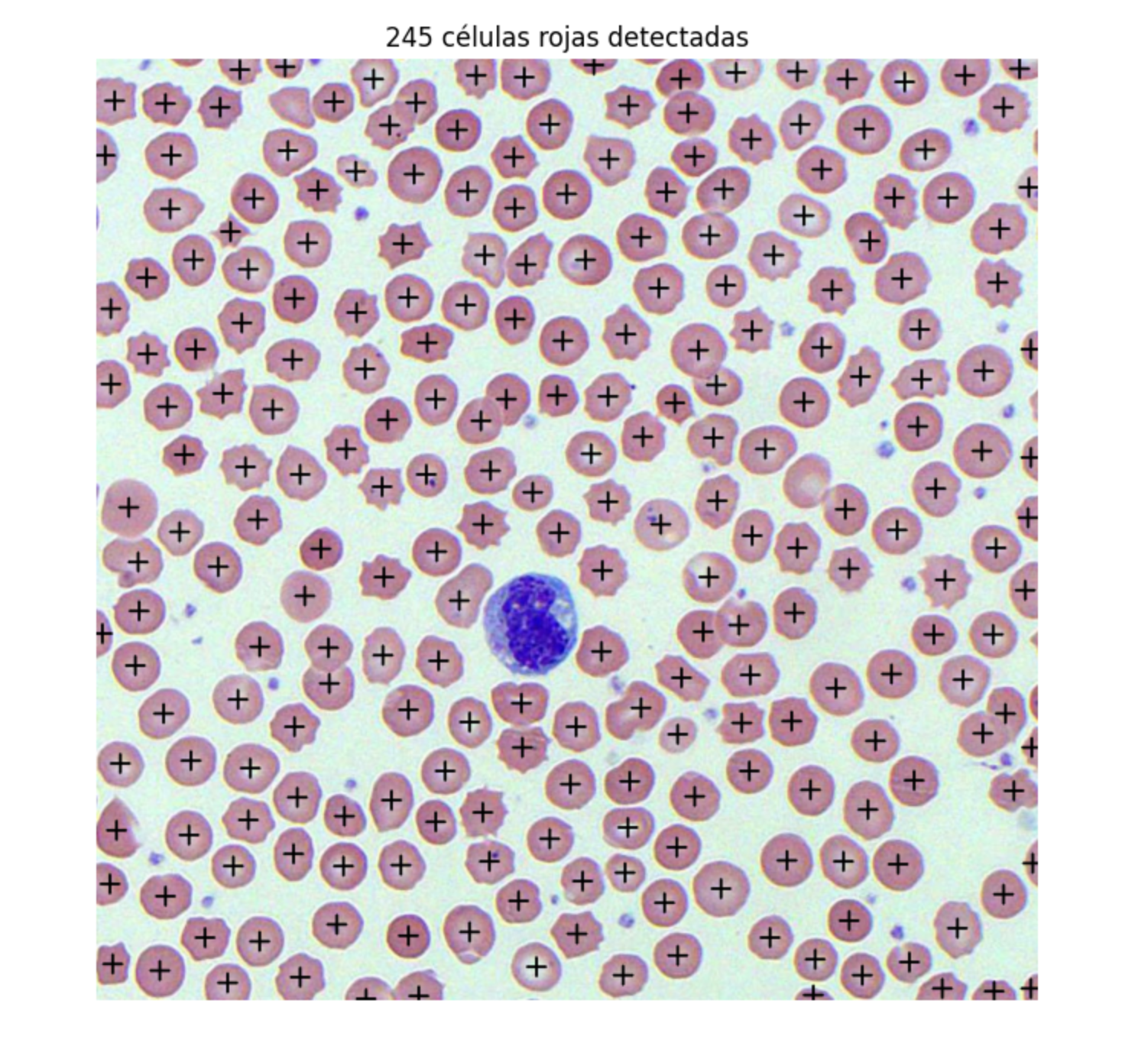
Microscopy image showing detected red blood cells and their predicted locations

Automated Red Blood Cell Quantification

Designed a computer vision pipeline for automated red blood cell quantification in microscopy images, combining image segmentation, morphological operations, and connected-component analysis.

Computer VisionImage SegmentationOpenCVMorphological OperationsConnected ComponentsMicroscopy Imaging

Laboratory Research

Molecular & Cellular Biology

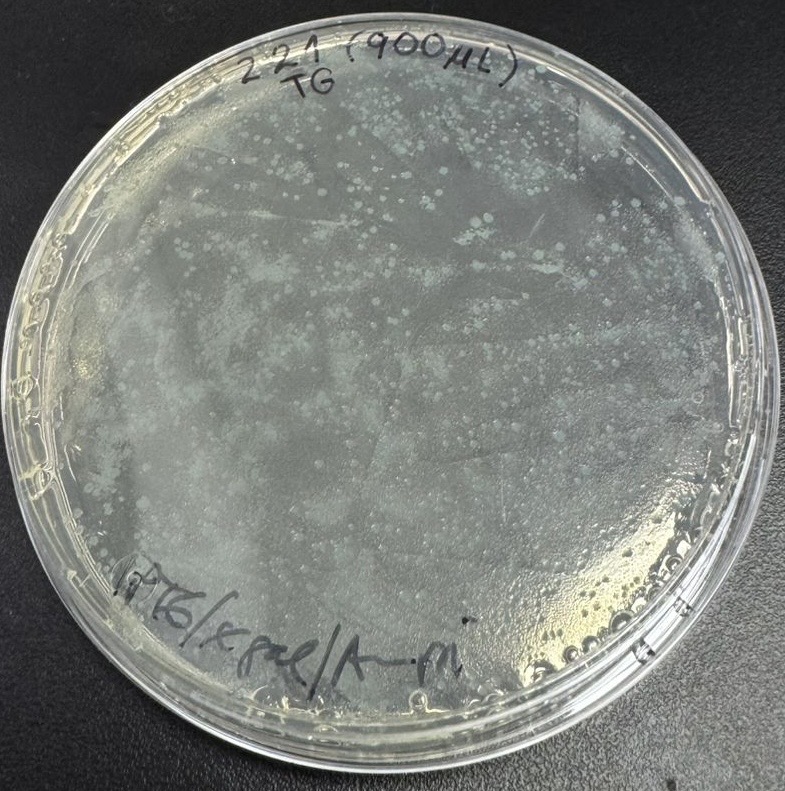
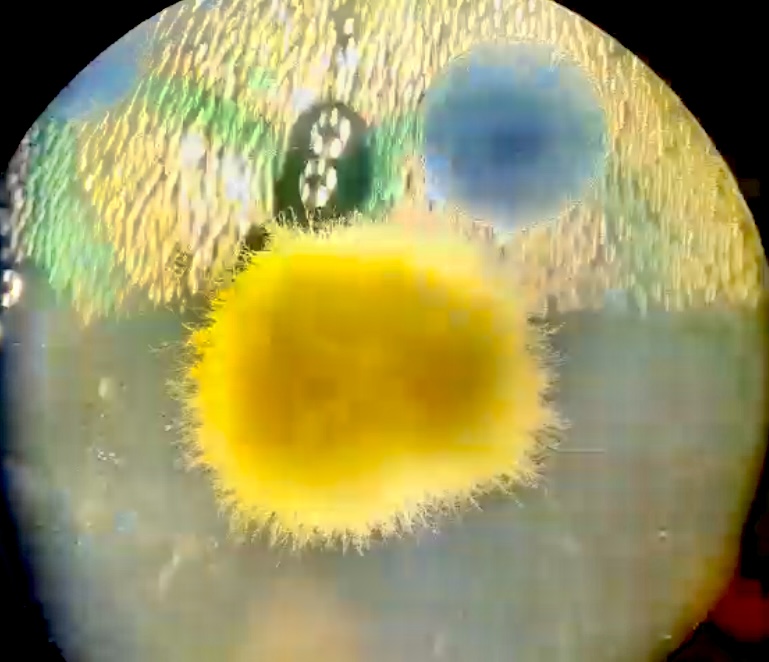
Bacterial colonies from a molecular cloning experiment

Molecular Cloning of Recombinant DNA

Generated recombinant DNA through restriction digestion, ligation and bacterial transformation, using blue–white screening and agarose gel electrophoresis to evaluate and validate successful cloning.

Restriction DigestionDNA LigationBacterial TransformationBlue–White ScreeningAgarose Gel Electrophoresis
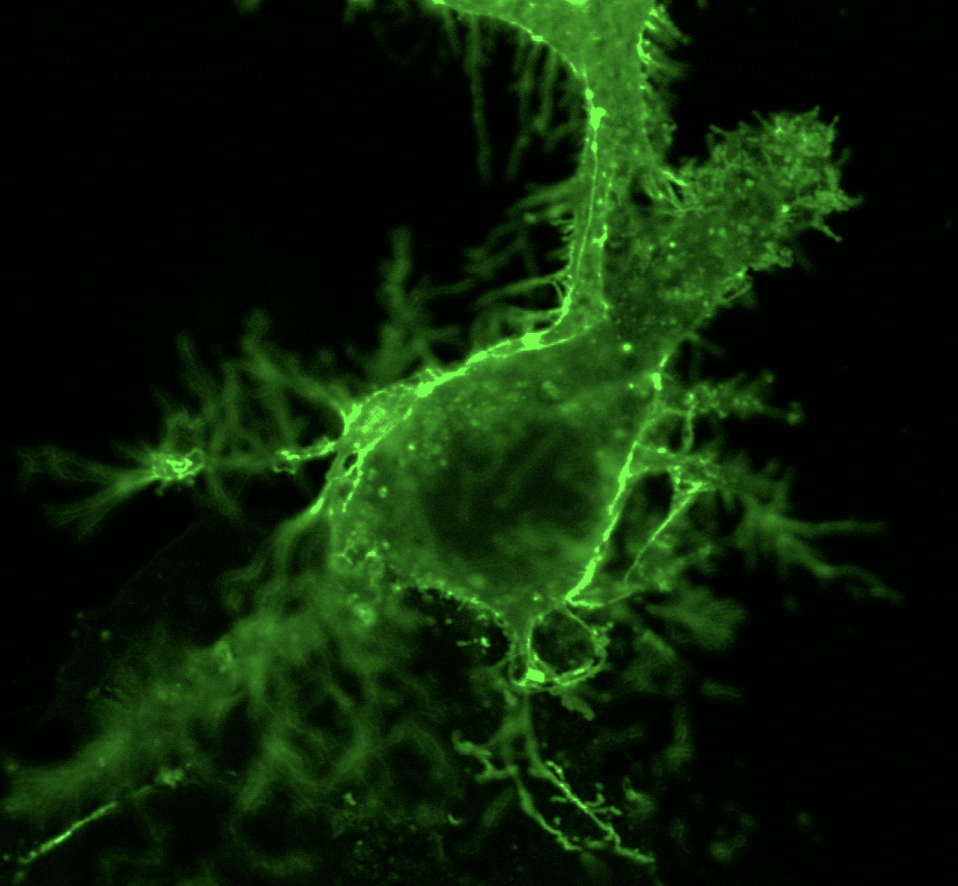
Fluorescence microscopy image of GFP fusion protein localization

Subcellular Localization of GFP Fusion Proteins

Combined plasmid purification, agarose gel electrophoresis, cell transfection and fluorescence microscopy to infer the identity and subcellular localization of unknown GFP-fusion constructs.

Plasmid PurificationAgarose Gel ElectrophoresisCell TransfectionFluorescence MicroscopyGFP Fusion Proteins
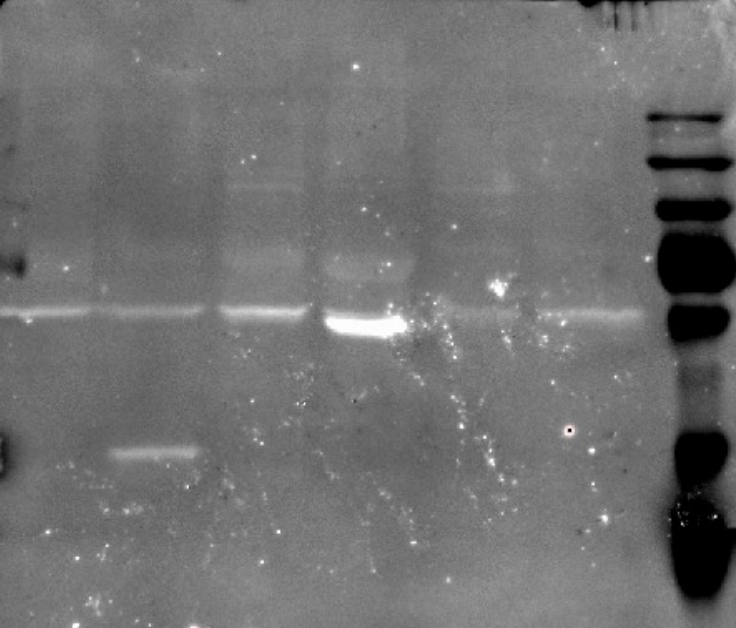
Western blot membrane showing protein expression bands

Protein Expression Analysis by SDS-PAGE and Western Blot

Quantified total protein and analyzed GFP-fusion protein expression through Bradford assay, SDS-PAGE, membrane transfer and fluorescent immunodetection.

Bradford AssaySDS-PAGEWestern BlotImmunodetectionProtein Quantification

General Biology Foundations

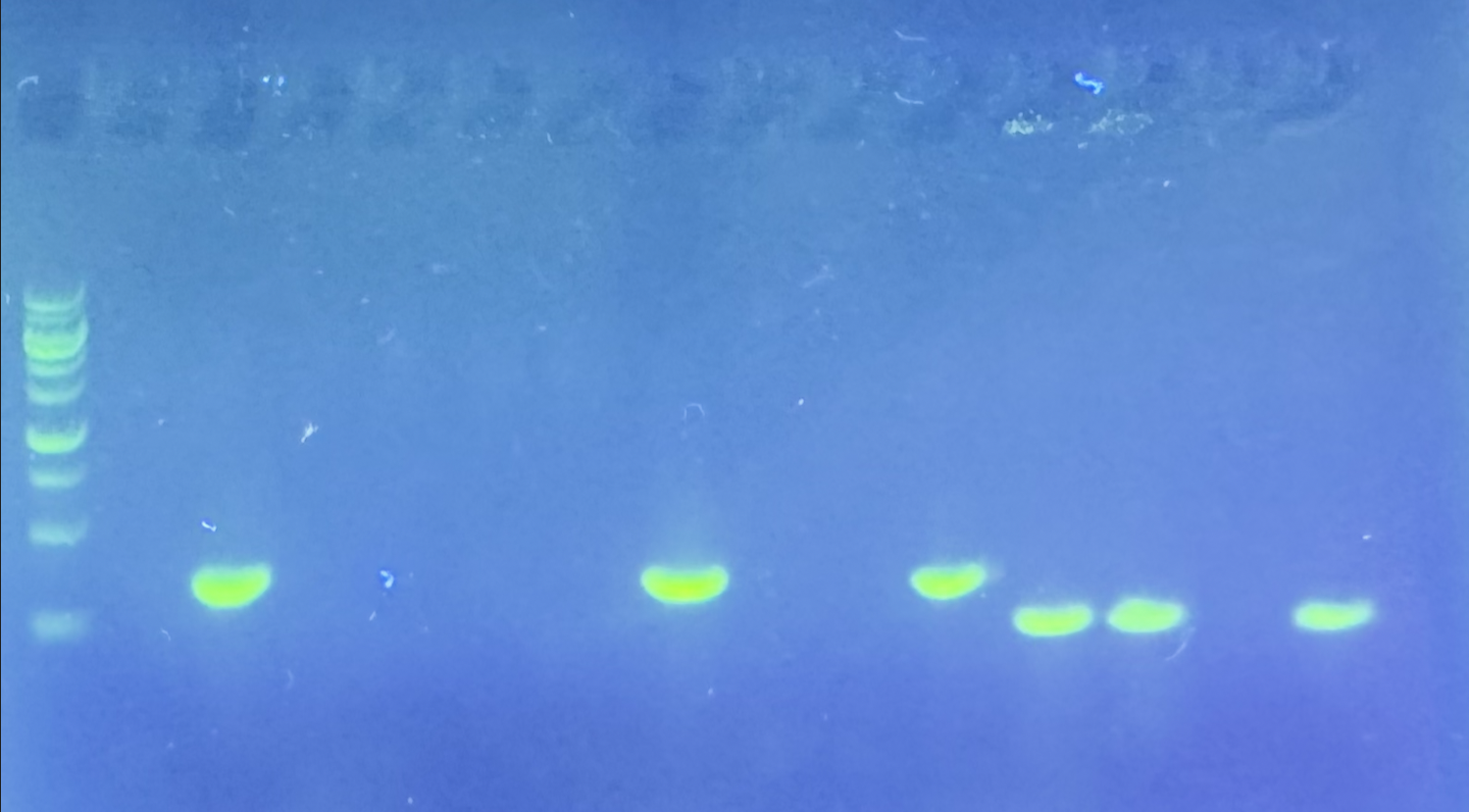
Agarose gel showing PCR amplification products

PCR Amplification and DNA Analysis

Amplified a GFP-associated DNA sequence by PCR and evaluated the resulting products through agarose gel electrophoresis using positive and negative experimental controls.

PCRAgarose Gel ElectrophoresisDNA AmplificationExperimental ControlsMolecular Biology
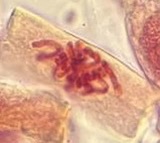
Microscopy image showing cell division stages

Microscopic Analysis of Cell Division

Prepared and stained plant root-tip samples to identify and examine distinct stages of mitosis through optical microscopy.

Light MicroscopyBiological StainingSample PreparationMitosisCell Cycle
Microbial cell culture sample for quantification

Microbial Cell Culture and Quantification

Applied serial dilution, bacterial plating, centrifugation and microscopic cell counting to culture, separate and quantify microbial cell populations.

Serial DilutionBacterial CultureCentrifugationMicroscopyCell Quantification

EDUCATION

Academic Background

Universidad de San Andrés

B.Eng. in Artificial Intelligence Engineering

Buenos Aires, Argentina March 2022 – Present

Fifth-year student · First graduating cohort · Biotechnology focus

Scholarships

San Andrés Scholarship · Merit Scholarship

Campus Activity

University Field Hockey Team

Selected Coursework

  • General Biology
  • Molecular and Cellular Biology
  • Advanced Computer Vision
  • Extreme Innovation
  • Business Strategy & Leadership
View official curriculum
  1. June 2025 – July 2025

    STEM UP! — Women in STEM Leadership Program

    Global Shapers

    Buenos Aires, Argentina

    Participated in a leadership program for women in STEM focused on assertive communication, public speaking, conflict resolution, self-advocacy and social-impact project development.

    Public Speaking · Conflict Resolution · Leadership · Social Impact

  2. January 2020 – March 2020

    The Hockaday School

    International Cultural Exchange Program

    Dallas, Texas, USA

    Selected by Colegio San Esteban to represent the school in an international cultural exchange program.

    Activities

    Dance Team · Track and Field · Lacrosse

  3. March 2014 – December 2021

    Colegio San Esteban

    Bilingual High School Diploma in Natural Sciences

    Buenos Aires, Argentina

    Flag Bearer Scholarship

    Honors & Awards

    • Flag Bearer
    • Honor Award
    • IGCSE Merit Award
    • English Award
    • Sports Award

    Athletics

    • Track and Field Team
    • Federated Women’s Field Hockey Team

CORE EXPERTISE

Artificial Intelligence

  • Machine Learning
  • Deep Learning
  • Supervised Learning
  • Unsupervised Learning
  • Feature Engineering
  • Model Evaluation
  • Generative AI
  • Large Language Models
  • PyTorch
  • TensorFlow
  • scikit-learn

Programming & Data

  • Python
  • C
  • C++
  • Java
  • SQL
  • PostgreSQL
  • MongoDB
  • Pandas
  • NumPy
  • SciPy
  • Matplotlib
  • Data Processing
  • Data Visualization
  • Data Interpretation

Computer Vision & Scientific AI

  • Computer Vision
  • Medical Imaging
  • CNNs
  • Transfer Learning
  • Explainable AI
  • Grad-CAM
  • OpenCV
  • Image Segmentation
  • Diffusion Models
  • Flow-Based Models
  • AI for Science

Experimental Biology

  • Molecular Cloning
  • PCR
  • Agarose Gel Electrophoresis
  • Plasmid Purification
  • Bacterial Transformation
  • Cell Transfection
  • Fluorescence Microscopy
  • SDS-PAGE
  • Western Blot
  • Bradford Assay
  • Spectrophotometry
  • Biological Data Analysis

Leadership & Collaboration

  • Project Coordination
  • Teaching & Mentoring
  • Scientific Communication
  • Community Building
  • Cross-Disciplinary Collaboration
  • Critical Thinking
  • Problem Solving
  • Attention to Detail
  • Decision-Making
  • Adaptability
  • Time Management
  • Creativity

CONTACT

Interested in the future of AI and biology?

I’m always happy to connect with researchers, students and professionals interested in artificial intelligence, computational biology and AI for healthcare.